
ENGIE is exploring bitcoin mining and battery storage as ways to soak up surplus electricity at its Assu Sol solar plant in northeastern Brazil.
The facility is ENGIE’s largest solar project globally, with 895 megawatts of capacity.
It has faced revenue pressure from curtailment since 2023 as Brazil’s grid and demand have struggled to keep pace with rapid renewable buildout.
Curtailment hits renewables since 2023
Curtailment occurs when generators are instructed to reduce output because the grid cannot absorb available power.
In Brazil, that has left solar and wind operators unable to sell all the electricity they produce, contributing to billions of reais in lost revenue across the sector.
ENGIE looks for on-site ‘offtakers’
To address the issue at Assu Sol, ENGIE said it is seeking “offtakers” that can consume power directly at the site.
Eduardo Sattamini, ENGIE’s country manager in Brazil, said the company is evaluating options.
Sattamini told journalists:
“We are looking at some possible offtakers.”
Batteries or bitcoin mining
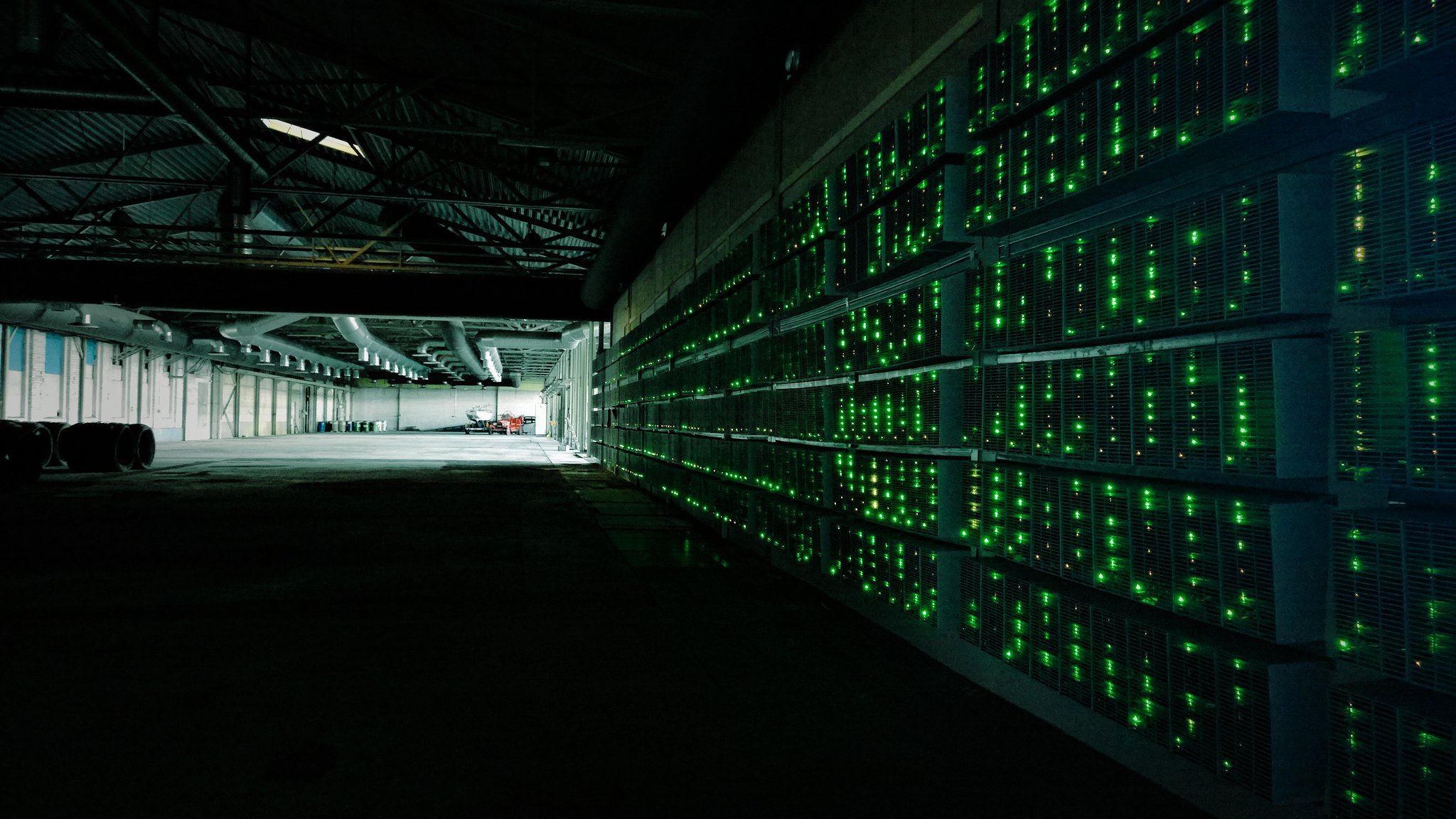
ENGIE’s two main routes are large battery systems or a bitcoin mine using ASICs that can be switched on when excess power is available and turned off quickly when the grid needs the energy.
The company’s interest is framed around using electricity that would otherwise be wasted, rather than making a directional bet on bitcoin.
Brazil’s foreign trade council has reduced import taxes to zero on high-efficiency mining equipment until January 2028, potentially lowering buildout costs.
Sattamini said implementation would take time, adding that it would likely take a couple of years.
ENGIE’s footprint in Brazil
ENGIE is the largest non-state-owned utility in Brazil and operates 11 energy complexes.
Through its majority stake in ENGIE Brazil, it manages nearly 9,000 megawatts of installed capacity.